

Why Flooring Choice Matters More Than Ever in Beaverton Homes
Choosing new flooring is exciting, but it can also feel like a major decision when you’re trying to balance comfort, durability, maintenance, style, and long-term value. Homeowners in Beaverton are increasingly comparing natural materials and modern performance features as they plan remodels, update living spaces, or personalize newly purchased homes.
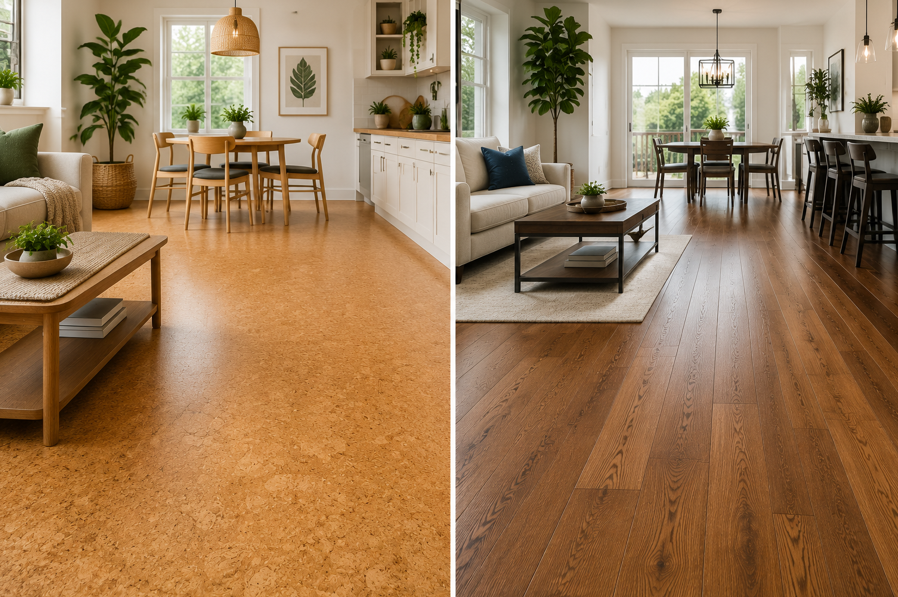
Two flooring options that often come up in these conversations are cork and hardwood. Both bring warmth, character, and timeless appeal into a home, but they offer very different everyday experiences depending on lifestyle, household needs, and room usage.
At Paulson's Floor Coverings, many homeowners exploring flooring upgrades want practical answers about how these materials perform in real Pacific Northwest homes. Moisture levels, rainy seasons, pets, active families, and comfort underfoot all influence what flooring works best in this region.
Some homeowners love the classic beauty and long-term value of hardwood flooring. Others are drawn to the softer feel and eco-conscious appeal of cork flooring. The right answer often depends on how the home is used and what matters most to the homeowner.
This guide compares cork and hardwood across the factors homeowners care about most:
Comfort and feel
Durability
Moisture performance
Maintenance
Style flexibility
Pet and family friendliness
Long-term value
Best rooms for each material
What Makes Cork Flooring Different?
Cork flooring stands out because of its unique construction and natural flexibility. Harvested from the bark of cork oak trees, cork is considered one of the more renewable flooring materials available today.
Unlike harder flooring surfaces, cork has a softer, slightly cushioned feel underfoot that many homeowners immediately notice when walking across it.
Comfortable and Softer Underfoot
One of cork flooring’s biggest advantages is comfort. The material naturally compresses slightly when walked on, which can help reduce fatigue during long periods of standing.
This makes cork especially appealing for:
Kitchens
Home offices
Playrooms
Reading spaces
Upstairs living areas
Many homeowners appreciate how cork creates a quieter, warmer atmosphere throughout the home.
Natural Noise Reduction
Cork naturally absorbs sound better than many hard flooring materials. That sound-dampening quality can help reduce footstep noise and echo, particularly in busy households.
This feature often appeals to:
Families with children
Multi-level homes
Remote workers
Homeowners wanting quieter interiors
Eco-Friendly Appeal
Sustainability is another reason cork flooring continues gaining attention. Cork bark regenerates after harvesting, making it a renewable flooring option for environmentally conscious homeowners.
Explore premium cork flooring designed for comfortable, stylish Pacific Northwest living.
Warm Appearance and Texture
Cork flooring offers natural visual texture and earthy tones that pair well with modern, transitional, and organic-inspired interiors.
Some products feature subtle grain visuals while others mimic wood-inspired patterns more closely.
Why Hardwood Flooring Remains a Timeless Favorite
Hardwood flooring has remained one of the most sought-after flooring options for decades because of its natural beauty, long-term durability, and strong resale appeal.
Many Beaverton homeowners continue gravitating toward hardwood because it creates an elegant, established appearance that complements a wide range of home styles.
Classic Visual Appeal
Hardwood flooring offers natural variation, rich grain patterns, and timeless character that many homeowners simply love.
Popular hardwood styles in Oregon homes often include:
White oak
Maple
Hickory
Wider plank visuals
Matte finishes
Medium natural tones
Hardwood adapts beautifully to both traditional and modern interiors.
Long-Term Value
Many homeowners view hardwood flooring as a long-term investment because of its durability and strong buyer appeal.
Professionally maintained hardwood flooring can remain beautiful for many years while adding warmth and sophistication to living spaces.
Refinishing Potential
One major advantage hardwood offers is the ability to refinish the surface over time.
Depending on the product, refinishing may help:
Refresh appearance
Remove surface wear
Update stain colors
Extend flooring lifespan
This flexibility appeals to homeowners planning to stay in their homes long-term.
Natural Character That Ages Beautifully
Hardwood develops personality over time. Many homeowners appreciate the way real wood evolves naturally with use and age rather than trying to maintain a perfectly untouched appearance.
Cork vs. Hardwood: Comfort and Everyday Feel
Comfort is one of the biggest differences between these two flooring options.
Cork Flooring Feels Softer
Cork flooring naturally compresses slightly underfoot, giving it a gentler feel compared to hardwood.
This may benefit homeowners who:
Stand frequently while cooking
Work from home
Have young children
Prefer warmer-feeling floors
Want reduced foot fatigue
Cork also tends to feel warmer during colder months because it naturally retains heat better than harder surfaces.
Hardwood Feels More Solid and Structured
Hardwood flooring offers a firmer walking surface that many homeowners associate with durability and traditional craftsmanship.
Some homeowners prefer the more substantial feel hardwood provides, especially in formal living spaces or open-concept homes.
The better choice often comes down to personal comfort preferences and how each room is used daily.
Which Flooring Handles Moisture Better?
Moisture performance matters in Oregon homes where rainy seasons and damp conditions are common.
Cork Flooring and Moisture
Cork naturally resists some moisture due to its cellular structure, but standing water and prolonged exposure can still create problems if spills or humidity are not addressed promptly.
Modern cork products often include protective finishes that improve moisture resistance.
Cork generally performs best in:
Bedrooms
Offices
Living rooms
Dry lower-traffic spaces
Hardwood Flooring and Moisture
Hardwood flooring can react to moisture changes by expanding or contracting slightly throughout seasonal weather shifts.
That doesn’t make hardwood a poor choice in Oregon homes. Proper installation, indoor humidity management, and routine care all help hardwood perform beautifully long-term.
However, hardwood may not be the first choice for rooms exposed to ongoing moisture or heavy water exposure.
Durability Differences Homeowners Should Know
Durability expectations vary depending on lifestyle.
Cork Flooring Durability
Cork is resilient and flexible, but it is generally softer than hardwood.
That softer construction may make cork more vulnerable to:
Heavy furniture dents
Sharp object impressions
Pet claw pressure
Surface wear in high-traffic areas
Protective pads and routine maintenance can help preserve appearance.
Hardwood Flooring Durability
Hardwood flooring is typically more resistant to dents and heavy traffic compared to cork.
Hardwood often performs especially well in:
Main living spaces
Hallways
Dining rooms
Entry-adjacent areas
Many homeowners with active households appreciate the durability hardwood provides over time.
Which Option Works Better for Families and Pets?
Every household functions differently, so family lifestyle plays a major role in flooring decisions.
Cork for Quieter Family Spaces
Cork flooring helps soften sound, making homes feel quieter and more comfortable.
Families may appreciate:
Reduced footstep noise
Softer surfaces for children
Warm feel underfoot
Comfortable play spaces
Hardwood for Busy High-Traffic Areas
Hardwood often works well for households prioritizing long-term durability and easier resistance to furniture movement or active daily traffic.
Some homeowners also prefer hardwood because:
Pet hair cleans up easily
It pairs with area rugs effectively
It maintains a timeless appearance through changing design trends
Design Flexibility and Style Comparison
Both flooring materials offer attractive visual possibilities, but they create different aesthetics.
Cork Creates Relaxed, Organic Interiors
Cork flooring complements:
Scandinavian-inspired interiors
Minimalist homes
Organic modern design
Cozy casual spaces
Its softer texture helps create relaxed environments with natural warmth.
Hardwood Delivers Timeless Versatility
Hardwood adapts across nearly every design style:
Traditional homes
Farmhouse interiors
Contemporary spaces
Mid-century modern aesthetics
Luxury remodels
Many homeowners appreciate hardwood’s ability to evolve alongside changing décor trends over time.
Maintenance Differences Between Cork and Hardwood
Maintenance routines remain relatively manageable for both flooring types when homeowners follow consistent care habits.
Cork Flooring Maintenance
Helpful cork flooring care habits include:
Sweeping regularly
Wiping spills promptly
Using furniture pads
Avoiding excessive standing moisture
Using gentle cleaning products
Hardwood Flooring Maintenance
Hardwood flooring benefits from:
Routine dust removal
Protective entry mats
Furniture pads
Humidity management
Manufacturer-approved cleaning products
Some hardwood floors may eventually benefit from refinishing depending on wear levels and product construction.
Which Rooms Work Best for Cork Flooring?
Cork flooring often performs beautifully in spaces focused on comfort and quieter living.
Popular cork flooring locations include:
Bedrooms
Home offices
Reading rooms
Upstairs living areas
Yoga or wellness rooms
Its softer feel and sound reduction create comfortable everyday environments.
Which Rooms Work Best for Hardwood Flooring?
Hardwood flooring remains one of the most versatile flooring materials available.
Many homeowners choose hardwood for:
Main living rooms
Dining areas
Hallways
Open-concept spaces
Stair-adjacent areas
Hardwood also creates strong visual flow throughout connected living areas.
How to Decide Which Flooring Fits Your Lifestyle Better
There’s no universal “best” flooring choice because every home functions differently.
Cork flooring may be the better fit if you prioritize:
Softer underfoot comfort
Sound reduction
Eco-conscious materials
Warm, relaxed interiors
Comfortable home office spaces
Hardwood flooring may suit your home better if you value:
Long-term durability
Traditional visual appeal
Refinishing flexibility
Higher-traffic performance
Timeless resale appeal
Some homeowners even combine both materials throughout different rooms based on how each space is used.
Find Flooring That Fits the Way Your Home Really Lives
The best flooring isn’t only about appearance. It’s about how the space feels during everyday life.
Cork flooring offers warmth, comfort, and quieter living for homeowners wanting softer, more relaxed interiors. Hardwood flooring delivers timeless beauty, long-term value, and dependable durability that continues appealing to generations of homeowners.
Both materials can work beautifully in Beaverton homes when matched thoughtfully to lifestyle, traffic levels, and design goals.
If you’re comparing flooring options for your next remodel or renovation project, reach out to us for personalized recommendations and expert guidance tailored to your home.


