

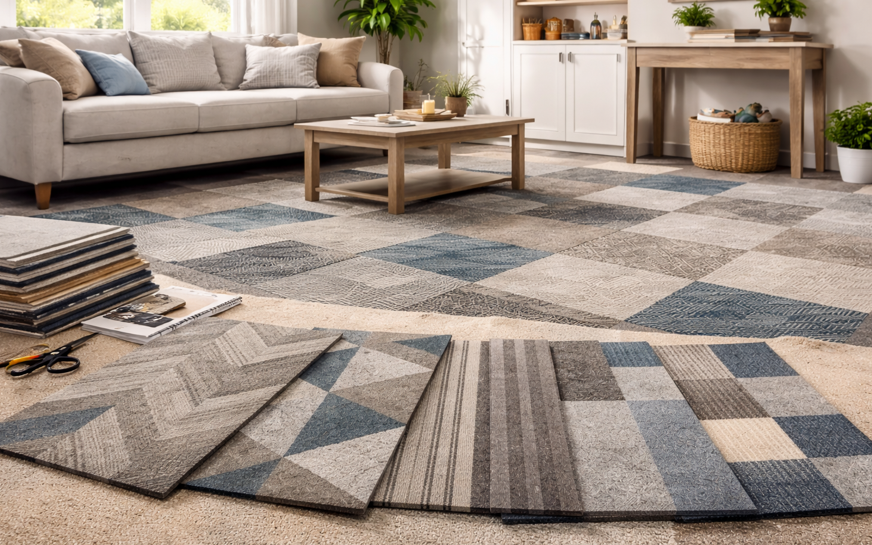
Why Carpet Tile Is Becoming a Favorite Flooring Choice in Beaverton Homes
Flooring design has evolved a lot over the past decade. Today’s homeowners want materials that are comfortable, stylish, and flexible enough to adapt to modern living spaces. That’s exactly why carpet tiles are becoming increasingly popular in Beaverton homes. Instead of traditional wall-to-wall carpet, carpet tiles offer a modular approach that allows homeowners to design their floors with creativity and purpose.
In homes throughout Beaverton and the greater Portland metro area, families are transforming spaces like basements, playrooms, home offices, and living rooms using carpet tiles. Because the tiles are installed individually, homeowners have far more control over layout patterns, color combinations, and textures. The result is flooring that feels customized rather than standard.
Another reason carpet tiles have gained attention is their practicality. If one tile becomes worn or stained, it can be replaced without removing the entire floor. That simple advantage makes carpet tiles appealing for households with kids, pets, or busy daily routines.
Design flexibility is where carpet tiles truly shine. From bold geometric layouts to subtle tonal patterns, carpet tiles allow homeowners to experiment with looks that would be difficult to achieve with traditional carpet.
Homeowners exploring flooring options across Beaverton, Portland, Tigard, and Vancouver often turn to Paulson's Floor Coverings for expert guidance. With over a century of experience serving the region, the team understands how to match flooring solutions with the lifestyle and design goals of Northwest homes.
The sections below explore several creative carpet tile patterns that can help transform ordinary rooms into visually interesting and highly functional spaces.
What Makes Carpet Tile Flooring So Versatile
One of the biggest advantages of carpet tile flooring is its versatility. Unlike traditional carpet rolls that cover a room in a single piece, carpet tiles are installed individually in small squares or rectangles. This modular approach opens the door to creative layouts and design possibilities.
Many homeowners exploring carpet tile flooring quickly realize that the flexibility of tile installation allows them to personalize their floors in ways that traditional carpet cannot.
Modular Design Flexibility
Because carpet tiles are installed piece by piece, they allow for creative placement patterns. Tiles can be rotated, staggered, or arranged in geometric layouts that introduce visual movement across the floor.
This flexibility means homeowners can experiment with different looks before settling on a final design.
Durability for Active Households
Carpet tiles are designed with durability in mind. Their construction often includes dense fibers and supportive backing layers that hold up well in rooms that experience regular foot traffic.
For households with children, pets, or frequent visitors, durable flooring makes a noticeable difference.
Easy Tile Replacement
Another benefit is the ability to replace individual tiles. If one section of the floor experiences heavy wear, that single tile can be swapped out while the rest of the floor remains intact.
This feature helps carpet tile flooring maintain a fresh appearance over time.
Design Freedom
Carpet tiles are available in a wide range of colors, textures, and patterns. This variety allows homeowners to create layouts that feel tailored to their space.
Whether the goal is a bold visual statement or a subtle modern design, carpet tiles provide the creative freedom to bring flooring ideas to life.
Checkerboard Carpet Tile Patterns for Bold Design
The checkerboard pattern is one of the most recognizable carpet tile layouts. By alternating two tile colors, homeowners can create a striking floor design that adds visual energy to a room.
Classic Two-Tone Checkerboard
The traditional checkerboard layout alternates two contrasting tile colors, creating a grid-like appearance. This pattern works particularly well in modern spaces where strong visual contrast enhances the room’s design.
Black and gray combinations, charcoal and light beige pairings, or navy and neutral tones can all create dramatic effects.
Neutral Checkerboard Designs
For homeowners who prefer a more subtle design, checkerboard patterns can also be created using similar shades within the same color family.
For example, alternating two shades of gray produces a pattern that adds texture without overwhelming the room.
Ideal Rooms for Checkerboard Layouts
Checkerboard carpet tile designs often work well in spaces such as:
Home offices
Game rooms
Finished basements
Creative workspaces
In these environments, the bold pattern adds personality while still providing comfortable flooring underfoot.
Because the pattern is easy to install and visually engaging, checkerboard layouts remain one of the most popular carpet tile design choices.
Brick Pattern Carpet Tile Layouts for Subtle Movement
Another creative carpet tile layout that works beautifully in homes is the brick pattern. This design mimics the staggered arrangement used in brick walls, creating a floor with gentle visual movement.
How the Brick Pattern Works
In a brick layout, each row of carpet tiles is offset slightly from the row above it. Instead of lining up in a perfect grid, the tiles create a staggered effect across the floor.
This layout introduces texture and motion while maintaining a structured appearance.
Visual Benefits of Staggered Layouts
Brick patterns add dimension to a room without drawing too much attention. The staggered lines subtly guide the eye across the floor, making the space feel dynamic yet balanced.
For homeowners who want an interesting design without bold contrast, this layout is an excellent option.
Ideal Spaces for Brick Layouts
Brick-style carpet tile layouts work well in rooms such as:
Living rooms
Family rooms
Media rooms
Multi-purpose spaces
Because the pattern creates gentle visual flow, it complements many interior styles ranging from contemporary to transitional.
Herringbone Carpet Tile Patterns for Sophisticated
Interiors
Herringbone flooring patterns have long been associated with upscale design. While traditionally used with hardwood flooring, the same elegant pattern can also be achieved with carpet tiles.
What Makes Herringbone Unique
The herringbone pattern arranges tiles at angles to form a zigzag layout. This geometric pattern adds movement and depth to the floor while creating a polished appearance.
In carpet tile installations, the angled placement of tiles produces a distinctive and eye-catching design.
Elevating Modern Interiors
Herringbone carpet tile layouts can elevate the look of many interior spaces. The pattern brings a refined feel that works especially well in modern homes or professional workspaces.
The visual interest of the layout often makes the flooring a design feature rather than simply a background surface.
Best Color Choices for Herringbone Patterns
Neutral tones tend to work best with herringbone layouts. Shades of gray, taupe, or soft charcoal highlight the pattern while maintaining a balanced aesthetic.
Homeowners who want a subtle statement often choose similar colors that allow the layout itself to stand out.
With the right color palette, herringbone carpet tiles can create an elegant yet comfortable flooring solution.
Random Carpet Tile Patterns for Relaxed Living Spaces
Not every carpet tile design needs to follow a strict pattern. Random layouts offer a relaxed, creative approach that works particularly well in casual living spaces.
Mixing Colors and Textures
Random carpet tile installations often combine different shades or textures of carpet tiles within the same color family.
For example, mixing multiple gray tones can create a visually interesting floor while maintaining a cohesive look.
Creating Playful Designs
Because tiles are placed in varying orientations, the finished floor has a natural and spontaneous feel.
This design approach works well in rooms where comfort and personality matter more than formality.
Ideal Rooms for Random Layouts
Random carpet tile layouts are commonly used in spaces such as:
Playrooms
Basements
Creative studios
Casual living areas
The varied tile placement helps disguise wear patterns, which makes the flooring practical for active households.
Random layouts also give homeowners the freedom to experiment with their design ideas.
Bordered Carpet Tile Layouts That Define a Room
Bordered carpet tile designs are another creative approach that helps structure a room visually. By framing the outer edges of the space with contrasting tiles, homeowners can create a defined layout that feels polished and intentional.
Creating a Perimeter Border
A border design typically uses darker or contrasting tiles around the edges of the room while keeping a lighter or patterned tile in the center.
This technique visually frames the room and adds depth to the flooring layout.
Defining Activity Zones
Borders can also help define specific zones within open floor plans. For example, a bordered carpet tile layout can separate a seating area from a workspace within the same room.
This subtle division helps organize the space without requiring physical barriers.
Combining Borders with Other Patterns
Bordered layouts can also work alongside other patterns. A checkerboard center with a solid border or a herringbone pattern framed by neutral tiles can create an especially striking design.
These layered layouts bring both structure and creativity to a room.
Choosing the Right Carpet Tile Pattern for Your Home
With so many creative layout options available, choosing the right carpet tile pattern can feel exciting. The best design often depends on the size of the room, the lighting conditions, and the overall style of the home.
Consider the Size of the Room
Larger rooms tend to accommodate bold patterns more easily. In smaller spaces, simpler layouts often feel more balanced and less visually crowded.
Understanding the scale of the room helps guide the design process.
Think About Lighting and Color
Lighting plays an important role in how carpet tile patterns appear. Natural light can highlight textures and subtle variations in tile orientation.
Choosing colors that complement the room’s lighting helps enhance the overall design.
Match Flooring with Interior Style
Modern homes often pair well with geometric patterns such as herringbone or checkerboard layouts. More traditional interiors may benefit from subtle brick patterns or neutral random layouts.
Matching the flooring design with the overall interior style helps create a cohesive space.
Explore Samples with Flooring Experts
Seeing carpet tile samples in person often makes the decision easier. Flooring specialists can help homeowners visualize how patterns and colors will look once installed.
Professional guidance can transform flooring ideas into beautifully finished rooms.
Bring Creative Flooring Ideas to Life in Your Beaverton Home
Carpet tile flooring offers homeowners an incredible opportunity to combine comfort with creative design. From bold checkerboard layouts to elegant herringbone patterns, the possibilities for unique flooring designs are nearly endless.
Because carpet tiles are modular, homeowners can experiment with different layouts while enjoying a floor that is both practical and visually appealing. Whether the goal is a sophisticated home office, a cozy family room, or a playful basement space, carpet tiles can adapt to the needs of the household.
Design flexibility, durability, and easy maintenance all contribute to the growing popularity of carpet tile flooring in Beaverton homes. With the right layout and color choices, carpet tiles can transform an ordinary room into a stylish and welcoming environment.
If you’re exploring creative flooring ideas and want help choosing the perfect design, reach out to us to connect with flooring professionals who can guide you through your options.


