

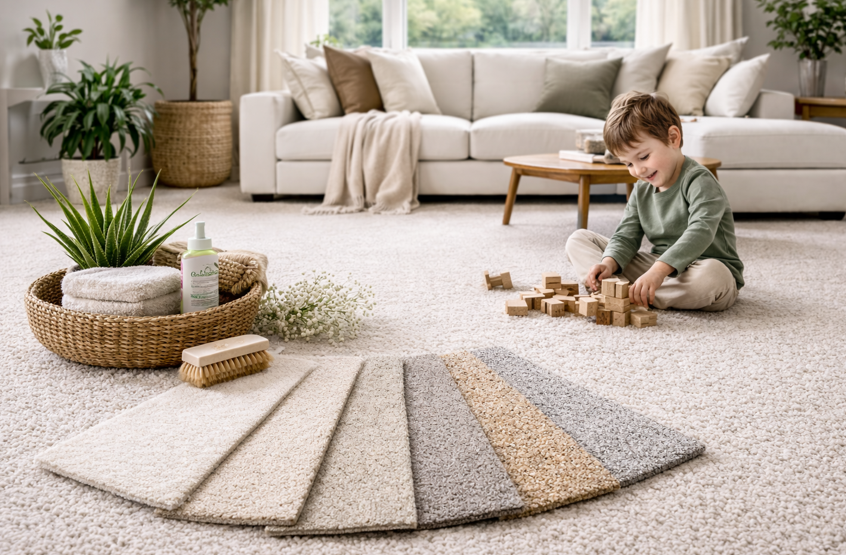
Create a Healthier, More Comfortable Home Environment
If you or someone in your household deals with allergies, choosing the right flooring becomes more than just a design decision—it’s about comfort, air quality, and everyday wellbeing. Many homeowners assume carpet isn’t a good fit for allergy-sensitive homes, but modern options have come a long way.
Today’s carpets are designed with cleaner, more advanced materials that help reduce allergens rather than trap them in harmful ways. With the right selection and proper care, carpet can actually support a healthier indoor environment while still delivering the warmth and softness homeowners love.
In Beaverton, OR, where seasonal allergies can be a concern, more families are looking for flooring solutions that balance comfort with practical health benefits. At Paulson’s Floor Coverings, homeowners can explore a wide range of carpet options tailored to different lifestyles, including those focused on cleaner indoor living.
This guide breaks down exactly how to choose hypoallergenic carpets—so you can create a space that feels fresh, comfortable, and easy to maintain.
What Makes a Carpet Hypoallergenic?
The term “hypoallergenic” simply means a product is less likely to trigger allergic reactions. When it comes to carpet, this usually involves materials and construction that limit the buildup of dust, pollen, and other common irritants.
Key features of hypoallergenic carpets include:
Fibers that resist trapping allergens deeply
Low pile heights that make cleaning easier
Materials that don’t absorb moisture easily
Backings designed to reduce mould and mildew risk
It’s important to understand that no carpet can eliminate allergens entirely. However, the right choice can significantly reduce their impact and make your home more comfortable overall.
Why Carpet Can Still Work in Allergy-Sensitive Homes
There’s a common misconception that hard surfaces are always better for allergy sufferers. While hard flooring has its advantages, carpet can actually help in certain situations.
Here’s how:
Carpet can trap airborne particles, preventing them from circulating
Regular cleaning removes these particles from the home
Softer surfaces reduce dust movement compared to hard floors
In homes where proper maintenance is part of the routine, carpet can contribute to a more stable indoor environment. The key is choosing the right type and keeping it clean.
Step 1: Choose the Right Carpet Fiber
The type of fiber used in your carpet plays a major role in how it performs.
Some of the most allergy-friendly options include:
Nylon
Nylon is known for its durability and resistance to wear. It also holds its shape well, making it easier to clean thoroughly.
Polyester
Polyester offers a soft feel and is less likely to absorb moisture, which helps reduce the risk of mould and mildew.
Wool (with considerations)
Wool is a natural fiber that can regulate moisture, but it requires proper care to maintain its benefits. It may not be the first choice for every allergy-sensitive home.
Each material has its strengths, so the best option depends on your household’s specific needs and maintenance preferences.
Step 2: Look for Low-Pile Carpet Styles
Pile height refers to how tall and dense the carpet fibers are. For allergy-conscious homes, lower pile options tend to perform better.
Low-pile carpets:
Are easier to vacuum effectively
Don’t trap as many particles deep within the fibers
Provide a cleaner, more streamlined look
While plush carpets may feel luxurious, they can hold onto allergens more easily. A low-pile design offers a practical balance between comfort and cleanliness.
Step 3: Focus on Easy Maintenance
No matter how advanced the carpet is, maintenance plays a critical role in keeping allergens under control.
Look for carpets that:
Clean easily with standard vacuuming
Resist stains and spills
Maintain their appearance over time
Establishing a regular cleaning routine is just as important as the carpet itself. This includes frequent vacuuming with a high-quality filter and occasional deep cleaning when needed.
If you’re exploring options for your home, you can browse a wide selection of carpet flooring designed to support both comfort and easy upkeep.
Step 4: Choose the Right Carpet Padding
Carpet padding often gets overlooked, but it plays a key role in overall performance.
High-quality padding can:
Improve airflow beneath the carpet
Reduce moisture buildup
Enhance comfort without compromising cleanliness
Some padding options are specifically designed to resist mould and mildew, which is especially helpful in maintaining a healthier indoor environment.
Pairing the right carpet with the right padding creates a more complete solution.
Step 5: Pay Attention to Indoor Air Quality
Flooring is just one part of the bigger picture. Indoor air quality also depends on ventilation, humidity levels, and overall home maintenance.
To support a cleaner environment:
Keep humidity levels balanced
Use air filters or purifiers if needed
Ensure proper ventilation in key areas
In Beaverton homes, where weather conditions can vary, managing indoor air quality alongside your flooring choice makes a noticeable difference.
Step 6: Consider Colour and Design for Practical Living
While performance is important, design still matters. The right colour and style can make your carpet both functional and visually appealing.
Practical design tips include:
Choosing mid-tone colours that hide everyday wear
Avoiding overly light shades in high-traffic areas
Selecting patterns that add subtle visual interest
A well-chosen carpet should feel like a natural part of your home, blending comfort with a polished look.
Common Mistakes to Avoid
When selecting hypoallergenic carpet, a few common missteps can impact your results.
Choosing high-pile styles that trap more allergens
Skipping regular cleaning routines
Overlooking the importance of padding
Ignoring how humidity affects your space
Avoiding these pitfalls helps ensure your investment delivers the comfort and performance you’re looking for.
Why Professional Guidance Makes a Difference
With so many options available, it’s easy to feel unsure about which carpet is right for your home. That’s where expert guidance can help.
Working with experienced professionals allows you to:
Compare materials and features more effectively
Understand what works best for your lifestyle
Feel confident in your final decision
Having access to knowledgeable support makes the entire process smoother and more enjoyable.
Build a Home That Feels Clean, Comfortable, and Inviting
Choosing hypoallergenic carpet isn’t about limiting your options—it’s about making informed decisions that support your lifestyle.
With the right materials, thoughtful design, and consistent maintenance, you can enjoy the comfort of carpet while creating a space that feels fresh and welcoming.
If you’re ready to explore your options or want help finding the perfect fit, don’t hesitate to get in touch. A dedicated team can guide you through the process and help you create a home that works beautifully for your needs.


