

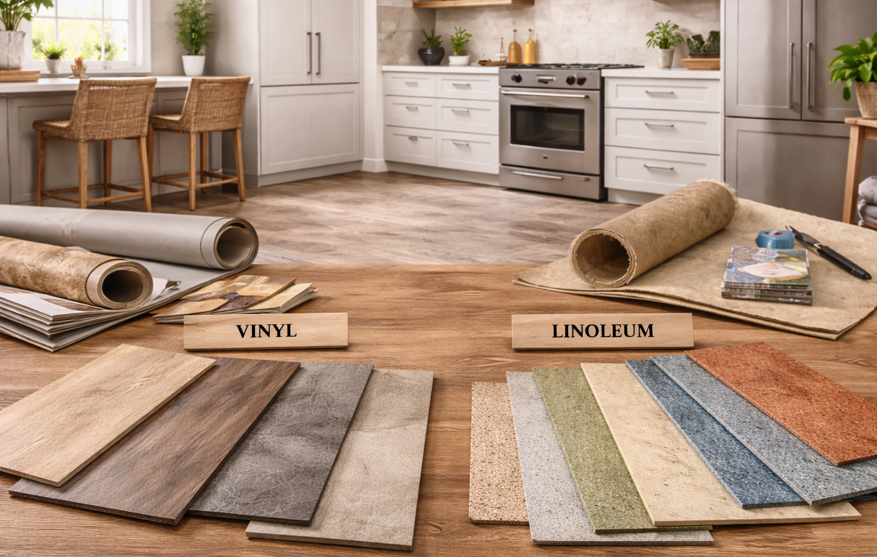
Why Tigard Homeowners Are Comparing Vinyl and Linoleum for Kitchen Flooring
Kitchens are among the most active spaces in any home. From early morning coffee routines to busy weeknight dinners, the kitchen floor handles constant movement, spills, and daily activity. For homeowners in Tigard, OR, choosing the right flooring is an important step in creating a kitchen that looks beautiful while supporting everyday life.
That’s why many homeowners exploring kitchen upgrades often compare vinyl and linoleum flooring. Both materials have been popular choices for decades because they provide durability, comfort, and style. However, while they may appear similar at first glance, vinyl and linoleum are made differently and offer unique advantages.
In kitchens where moisture, dropped utensils, and heavy foot traffic are common, flooring needs to handle wear while still contributing to the overall design of the space. The right flooring can make a kitchen feel warm, inviting, and practical for daily use.
Many Tigard homeowners turn to Paulson's Floor Coverings when exploring kitchen flooring options. With more than a century of experience serving Portland, Tigard, Beaverton, and Vancouver communities, the team understands what materials perform well in real homes.
The sections below break down the key differences between vinyl and linoleum flooring so homeowners can decide which option best supports their kitchen design and lifestyle.
What Vinyl Flooring Offers Modern Kitchens
Vinyl flooring has become one of the most widely used kitchen flooring options in modern homes. Advances in manufacturing technology have made vinyl flooring more durable, stylish, and versatile than ever before.
Design Versatility
One of the biggest advantages of vinyl flooring is the wide range of design styles available. Vinyl can replicate the appearance of natural hardwood, ceramic tile, and stone surfaces.
This flexibility allows homeowners to achieve a high-end design look while enjoying the practical performance of vinyl flooring.
Durability for Everyday Kitchen Life
Kitchens experience frequent movement throughout the day. Vinyl flooring is designed with protective wear layers that help resist scratches, dents, and daily activity.
This durability makes vinyl flooring especially appealing for households with children, pets, or frequent guests.
Moisture Resistance
Spills and splashes are common in kitchens. Vinyl flooring is built to handle moisture effectively, preventing water from penetrating the flooring structure.
Homeowners who explore vinyl flooring often appreciate its ability to combine moisture resistance with stylish design options.
Comfortable Underfoot
Another benefit of vinyl flooring is its comfort. Compared to harder materials such as stone or ceramic tile, vinyl surfaces often feel slightly softer underfoot.
This added comfort can make long cooking sessions or busy family gatherings more enjoyable.
Understanding Linoleum Flooring and Its Classic Appeal
Linoleum flooring has been used in homes for generations. Known for its natural composition and long-lasting durability, linoleum remains a trusted flooring option for homeowners who appreciate traditional materials.
Natural Material Composition
Linoleum flooring is made from natural ingredients such as linseed oil, wood flour, cork dust, and natural pigments. These materials are combined to create a resilient and durable flooring surface.
Because of its natural composition, linoleum is often appreciated by homeowners interested in environmentally conscious flooring choices.
Durability Over Time
One interesting characteristic of linoleum flooring is that it becomes stronger as it ages. Over time, the material hardens and develops greater durability.
This resilience has helped linoleum maintain its reputation as a long-lasting flooring material.
Distinctive Colors and Patterns
Linoleum flooring offers a unique range of colors and patterns that differ from vinyl designs. While vinyl often focuses on realistic wood or stone visuals, linoleum tends to feature solid colors and classic patterns.
These distinctive designs allow homeowners to create kitchens with character and personality.
Eco-Friendly Appeal
Because linoleum is made from renewable materials, it is often viewed as an environmentally conscious flooring option. Homeowners who prioritize sustainability sometimes explore linoleum for this reason.
Linoleum provides a classic flooring solution that blends durability with natural materials.
Durability in Busy Tigard Kitchens
Durability is one of the most important factors when choosing kitchen flooring. Kitchens experience constant activity, which means flooring must be able to withstand daily wear.
Scratch Resistance
Vinyl flooring typically includes protective wear layers that help resist scratches and scuffs. This protection can be particularly helpful in kitchens where chairs, appliances, and heavy cookware may occasionally contact the floor.
Linoleum also provides durability, though its surface may develop a natural patina over time.
Long-Term Wear
Both vinyl and linoleum are designed to support long-term use. Vinyl flooring maintains its appearance through protective layers, while linoleum develops strength as it ages.
These different construction approaches allow both materials to perform well in active households.
Performance in High-Traffic Areas
In kitchens where families gather frequently, flooring must handle constant movement. Vinyl flooring often performs well in these environments because of its flexible yet durable surface.
Linoleum also handles foot traffic effectively when properly maintained.
Cleaning and Maintenance
Regular sweeping and occasional mopping typically keep both vinyl and linoleum floors looking clean. These simple maintenance routines make resilient flooring appealing for busy homes.
Both materials offer dependable durability that supports everyday kitchen activity.
Moisture Resistance and Kitchen Performance
Kitchens naturally involve water exposure from cooking, dishwashing, and cleaning. Flooring that handles moisture well helps protect the home from long-term damage.
Vinyl Flooring and Water Protection
Vinyl flooring is designed with waterproof or water-resistant layers that help prevent moisture from penetrating the floor’s structure.
This construction makes vinyl flooring especially reliable for kitchens where spills are common.
Linoleum and Moisture Exposure
Linoleum flooring can handle moderate moisture when properly sealed and maintained. However, because linoleum is made from natural materials, it may require careful installation and maintenance in areas where water exposure occurs frequently.
Handling Everyday Spills
Most kitchen spills are easy to clean from both vinyl and linoleum surfaces. Quick cleanup helps maintain the appearance and condition of the flooring.
Choosing the Right Option for Busy Kitchens
For households with very active kitchens, vinyl flooring often provides stronger moisture resistance. Linoleum may appeal to homeowners who prioritize natural materials and classic design.
Understanding how each flooring type handles moisture helps homeowners choose the option that best supports their kitchen environment.
Style and Design for Modern Tigard Kitchens
Kitchen design plays a major role in how flooring choices come together. Both vinyl and linoleum flooring offer visual appeal, but their styles differ.
Vinyl’s Wide Range of Designs
Vinyl flooring is known for its ability to replicate natural materials. Wood-look vinyl planks, stone-inspired tiles, and modern patterns allow homeowners to achieve many design styles.
This versatility makes vinyl suitable for contemporary, transitional, or rustic kitchen interiors.
Linoleum’s Distinctive Aesthetic
Linoleum offers a different visual style. Its color-rich patterns and smooth surfaces often create bold, distinctive looks that stand out.
Some homeowners enjoy linoleum’s unique aesthetic because it adds personality to kitchen spaces.
Coordinating with Cabinets and Countertops
Flooring plays a key role in connecting kitchen design elements. Cabinet colors, countertop materials, and lighting fixtures all interact with the flooring surface.
Choosing flooring that complements these elements helps create a cohesive design.
Creating a Balanced Kitchen Interior
Whether homeowners prefer the natural look of wood-inspired vinyl or the vibrant patterns of linoleum, the right flooring choice can enhance the overall atmosphere of the kitchen.
Both materials provide opportunities to create kitchens that feel welcoming and stylish.
Choosing the Right Flooring for Your Tigard Kitchen
Selecting flooring involves balancing style, durability, and lifestyle needs. Each household has unique priorities that influence the decision.
Consider Your Household Lifestyle
Families with pets, children, or frequent guests may prefer flooring that emphasizes durability and moisture resistance.
Understanding daily activity patterns can help homeowners narrow down their flooring options.
Maintenance Preferences
Some homeowners prefer flooring that requires minimal maintenance. Vinyl flooring often appeals to these households because of its simple care routine.
Linoleum can also perform well with proper care and occasional maintenance.
Design Goals
Kitchen flooring should complement the home’s interior style. Wood-look vinyl may work well in homes with natural design themes, while linoleum may suit kitchens with bold color palettes.
Professional Guidance
Exploring flooring options with experienced professionals can make the selection process easier. Flooring specialists can help homeowners evaluate samples, compare materials, and find the right match for their kitchen.
Paulson's Floor Coverings has helped generations of homeowners discover flooring solutions that combine practicality with timeless style.
Transform Your Tigard Kitchen with the Right Flooring
Both vinyl and linoleum flooring offer valuable benefits for modern kitchens. Each material brings unique strengths that can support everyday kitchen activity while enhancing the design of the space.
Vinyl flooring stands out for its impressive moisture resistance, wide range of design styles, and comfortable feel underfoot. Linoleum offers durability, natural materials, and distinctive visual character that many homeowners appreciate.
The best flooring choice ultimately depends on how the kitchen is used and what design style homeowners want to achieve.
By exploring flooring materials carefully and considering lifestyle needs, homeowners can create kitchens that feel both practical and beautiful.
If you’re planning a kitchen upgrade and want guidance from experienced flooring professionals, get in touch to explore flooring solutions designed for Tigard homes.


